What Makes a Porta Potty ADA Accessible?
An ADA accessible porta potty is built bigger and laid out different, not just labeled with a wheelchair sign. ADA Standards 304.3.1 calls for a 60 inch diameter turning circle inside the unit, so the footprint runs larger than a standard porta potty rental. The door opening has to clear 32 inches per ADA Standards 404.2.3, and the path leading up to it needs 36 inches of clear width under ADA Standards 403.5.1. Grab bars sit at a set reach range, and controls like the door latch have to work with one hand, no pinching or twisting, under ADA Standards 309.4. Ground surfaces under and around the unit need to be stable, firm and slip resistant per ADA Standards 302.1, which matters on gravel lots and half-finished job sites around Wilmington. If your event or crew needs ramp access to reach the door, ADA Standards 405.2 caps the ramp slope at 1:12. None of this is optional dressing on a porta john rental; it is what separates a compliant unit from a standard one. Pricing for these units runs its own track, covered on the ADA accessible porta potty page.
How Many ADA Units Do I Need in Wilmington?
The math starts with your total unit count, not a flat number per site. ADA Standards 213.2 sets the floor at 5 percent of a cluster, rounded up, with one accessible unit minimum even if you only need two or three toilets total. A wedding at 80 guests with four standard porta potty rental units still needs one ADA unit on site, because the rule never drops below one. Bigger builds change the math fast. A crew that needs ten units for OSHA portable toilet requirements under 1926.51(c) is looking at one accessible unit minimum, and that number climbs as the cluster grows. Our guide on how many porta potties you need walks through the general headcount math side by side with the ADA add-on, since the two calculations run separately. If you are planning a festival restroom rental or a county fair restrooms job in Wilmington, get the accessible count locked before you finalize the order, because retrofitting a delivery mid-event costs more than planning it in the first quote from request a quote.
Do Construction Sites in Wilmington Need ADA Units?
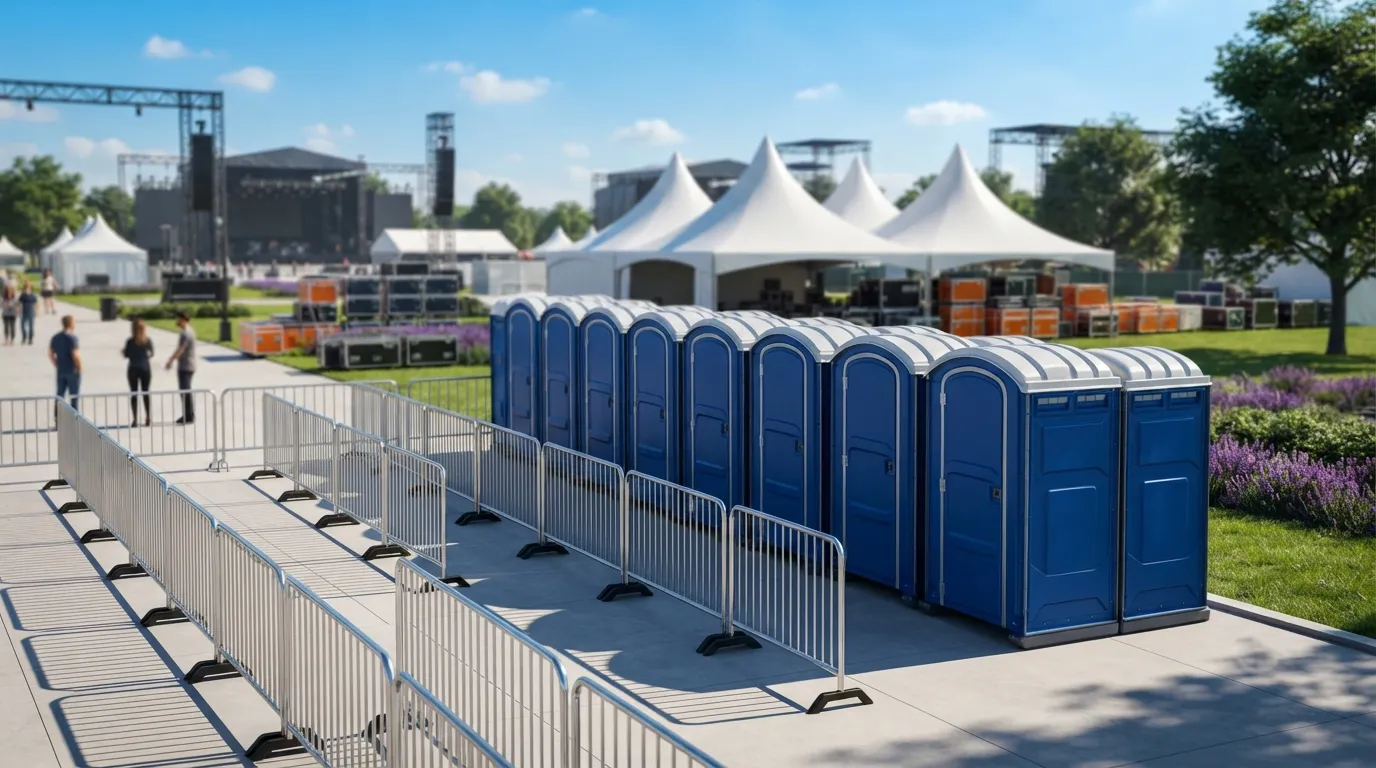
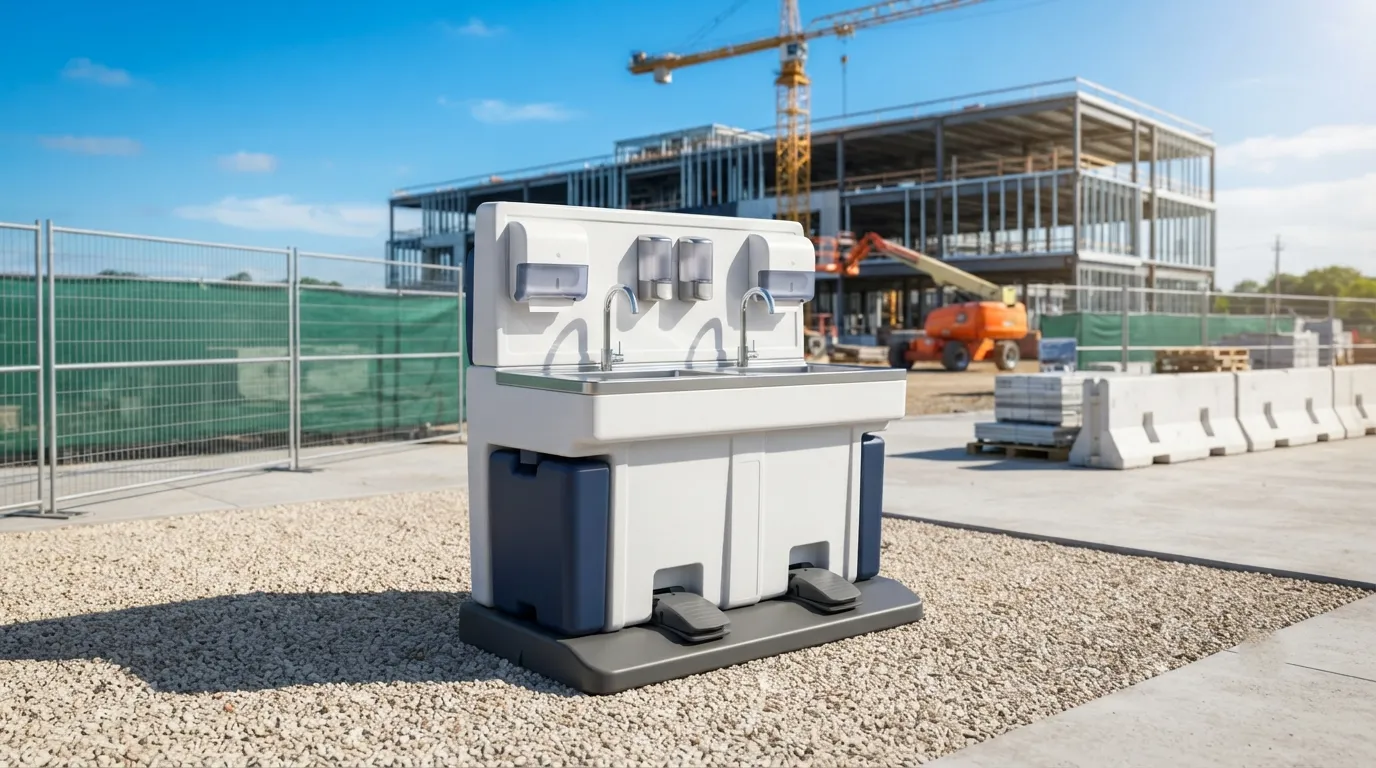
Federal OSHA rules under 1926.51(c) do not require ADA-specific units, but plenty of Wilmington job sites end up needing one anyway once public access, inspectors, or accessible worker accommodations enter the picture. OSHA 1926.51(c)(1) sets toilet counts strictly by headcount, one facility for 20 workers or fewer, scaling up from there, but that rule is silent on accessibility design. Where a site opens to the public, or where a worker needs accommodation, ADA Standards 213.2 still applies to whatever cluster is on site. Construction site services jobs around Wilmington often add one ADA unit as a default rather than sort out the edge cases later. Pair that with handwashing, since OSHA 1926.51(a)(1) requires an adequate supply of potable water at all places of employment, and a handwashing station rental sits right next to the toilets on most compliant layouts. If the crew is applying paints, coatings or similar contaminants, OSHA 1926.51(f)(1) kicks in a separate washing requirement on top of the general one. A home renovation porta potty job is smaller scale but the same logic holds: one accessible unit, water nearby, and a clear path in.
Where Should ADA Units Be Placed on Site?
Placement rules are about the path, not just the unit. The ground leading to the door has to stay stable and slip resistant under ADA Standards 302.1, and the route itself needs that 36 inch clear width from ADA Standards 403.5.1 running the whole way, not just at the door. Skip the loose gravel patch and skip the slope steeper than what ADA Standards 405.2 allows if a ramp is involved. Our porta potty placement guide covers general siting, but ADA units need the extra check on approach width and surface before the delivery truck ever shows up. Reach range matters too: ADA Standards 308.2.1 sets the forward reach at 48 inches maximum and 15 inches minimum, which affects where the truck driver sits the unit relative to a curb or a fence line. If you are fencing off the delivery zone, a temporary fence rental or chain link temporary fence still needs to leave that 36 inch path open. For multi-day events in Wilmington, walk the path yourself before guests or crew arrive, since a truck rutting the grass on delivery day can wreck the clearance by morning.
| unit | duration | typical price |
|---|---|---|
| ada | day | $230 |
| ada | week | $185 |
| ada | weekend | $240 |
How much does an ADA porta potty cost to rent?
A day rate runs in the low-to-mid hundreds, and a full week often prices lower per day than a single weekend rental does. See the porta potty rental cost page for the full breakdown, and the ADA accessible porta potty page for unit specifics.
Does every job site need an ADA unit?
Not automatically. OSHA's 1926.51(c) sets headcount ratios only, with no ADA design requirement baked in. But once any cluster of units is on site and public or worker access applies, ADA Standards 213.2 still requires at least one accessible unit, minimum, no exceptions for small clusters.
Can I rent just one ADA unit without a full cluster?
Yes. Plenty of small events in Wilmington order a single ADA unit alongside two or three standard porta potty rental units. That single-unit minimum comes straight from ADA Standards 213.2, and it applies the same way whether you have three units or thirty.
What is the difference between an ADA unit and a standard unit?
Size and layout mainly. A standard unit runs about 44 by 48 inches on the ground; ADA units are bigger inside to meet the 60 inch turning circle under ADA Standards 304.3.1, with a wider door and different grab bar placement.
Do I need handwashing next to an ADA unit?
OSHA 1926.51(a)(1) requires potable water at all places of employment, separate from the toilet count itself. Most Wilmington job sites pair a handwashing station rental or portable sink rental right next to the restroom cluster to cover both requirements at once.
Next step
Get a delivery date
Tell us the address, the dates and the headcount. We size the order and confirm the route.