What do I need to figure out before I call?
Start with headcount and duration, because everything else follows from those two numbers. A construction crew is governed by OSHA 1926.51(c), which sets 1 toilet for 20 workers or fewer, then adds a toilet seat and urinal per 40 workers once you cross that line. A backyard wedding runs on guest count and hours, not a labor standard. Figure out if you're renting a standard unit or need something nicer, like a deluxe flushable model, before you request pricing, since quotes vary by unit type. If anyone on site uses a wheelchair, plan for an ADA accessible unit now rather than as an afterthought; ADA Standards section 213.2 requires at least one accessible unit in any cluster, even a small one. Decide early whether this is a one-day pull in Wilmington or a monthly rental sitting on a job site through a whole phase of construction.
Where should the unit actually sit?
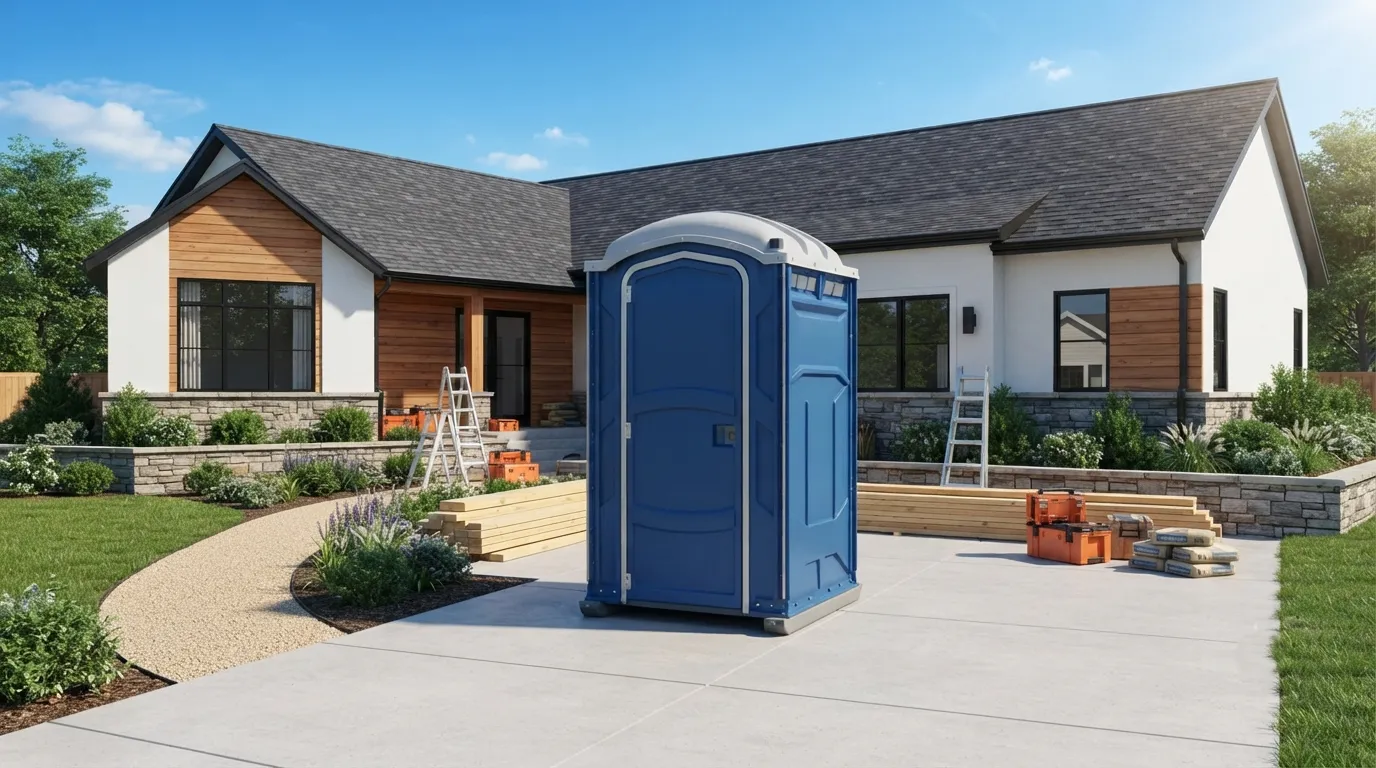
Pick a spot with firm, level ground and clear truck access before delivery day, not after the driver shows up. ADA Standards section 302.1 calls for stable, slip resistant surfaces, which rules out soft turf or loose gravel for any accessible unit. A standard unit runs about 44 by 48 inches on the ground and stands roughly 92 inches tall, so give yourself real clearance, not just a tight gap between fences. If you're also pulling a roll-off dumpster for the same project, remember the truck needs about 60 feet of straight clearance behind it to set the container down. Wilmington properties with alley access or tight urban lots should map this out before booking, since a driver who can't get a truck in will have to reschedule. Our porta potty placement guide walks through sight lines, prevailing wind and distance from work areas in more detail. If the unit needs to sit in the public right of way, that placement needs confirming with the city; check with Wilmington before delivery. For temporary fencing around a job site, the same access rule applies: plan the layout before the trucks arrive, not during.
Do I need a permit for this?
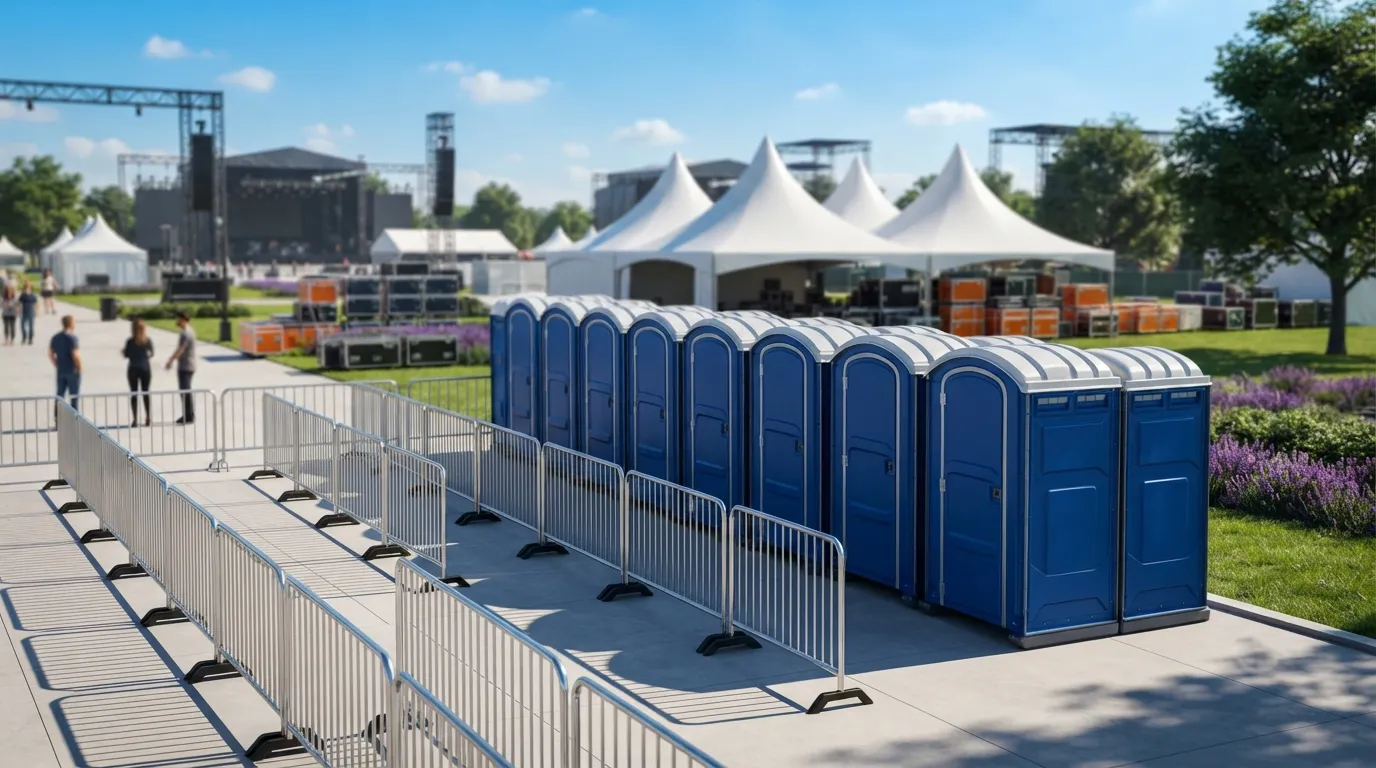
Sometimes, and it depends on where the unit lands and what the job is. Permit rules for placement on a public street or sidewalk are set by the city, not by the rental company, so confirm with Wilmington before you assume you're clear. Our porta potty permit requirements page covers what to ask when you call. The same applies to dumpster permit requirements if you're renting a roll-off alongside your restrooms; a driveway placement is usually simpler than a curbside one. Private property, like a backyard or a fenced job site, typically avoids most of this, but a construction site inside city limits should check anyway. Newark sits about 16.5 miles west of Wilmington and Chester is 14.0 miles northeast; both fall under different local rules, so don't assume a permit answer from one town carries over to another. When in doubt, ask before delivery day, not after the truck leaves.
How often does the unit need service?
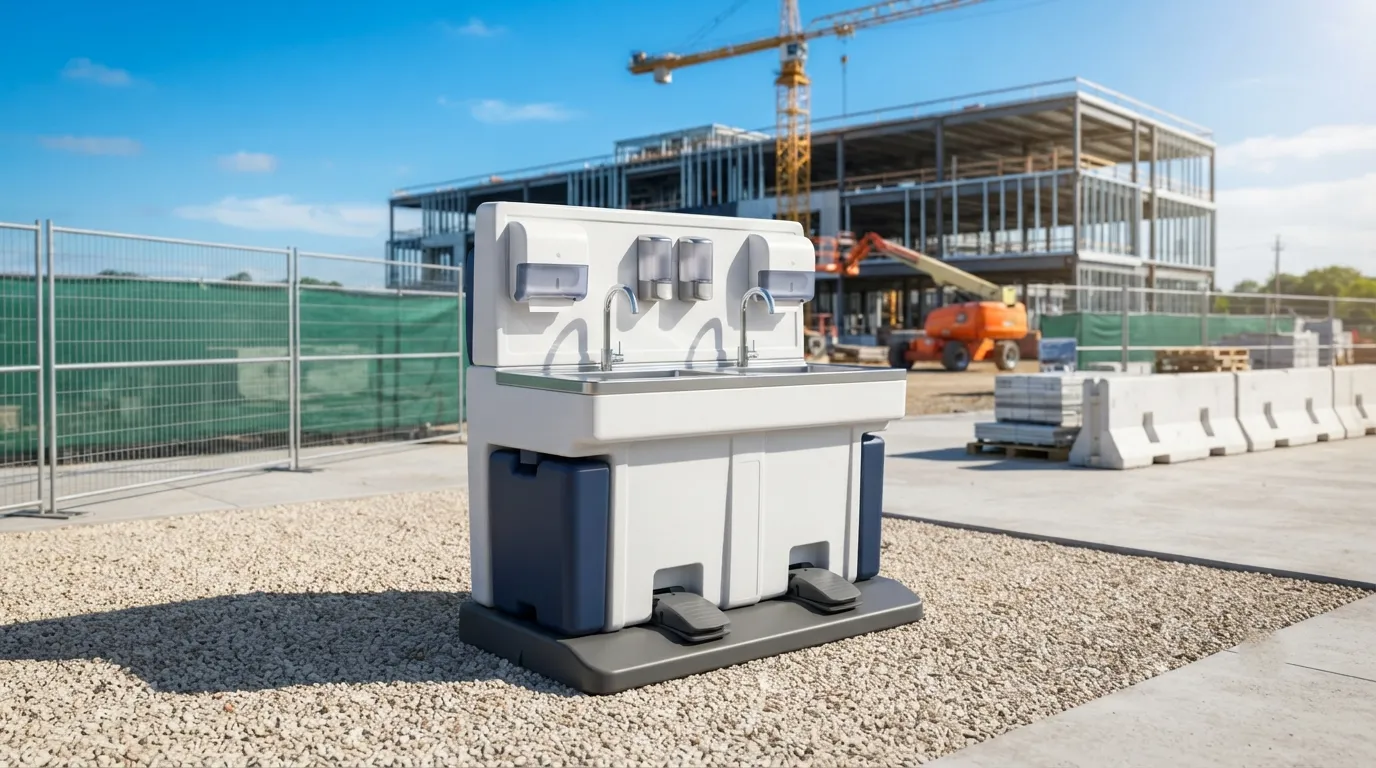
Weekly is the baseline for light use, but heavy crews or large events need more. ANSI/PSAI Z4.3 sets one service visit per week as the standard interval for up to 10 users across a 40 hour week; a busy job site or a multi-day festival will blow past that fast. A standard unit carries a 60 to 70 gallon holding tank, so a crew of 15 working full days can fill that faster than a once-a-week truck can keep up with. If your workers are applying paint, coatings or pesticides, OSHA 1926.51(f)(1) requires washing facilities for that contaminant exposure specifically, so pair your toilets with a handwashing station rental rather than relying on sanitizer alone. 29 CFR 1910.141(d)(2) is explicit that hand sanitizer does not substitute for soap and running water. Ag operations have their own rule: OSHA 1928.110 requires field sanitation within a quarter mile walk for hand-labor employees. Check our how often are porta potties cleaned page if you want the full service breakdown before you commit to a plan.
| unit | day | week | month |
|---|---|---|---|
| standard | $100-$350 | $130-$500 | $125-$325 |
| ada | $200-$400 | $200-$400 | - |
| deluxe | $85-$1,200 | $150-$290 | - |
Delivery fees run $100 to $500 for a single day and $50 to $150 for a week, separate from the unit rate. See our full porta potty rental cost breakdown or the per day pricing page if you're only renting for a single event.
How many porta potties do I actually need?
It depends on headcount and duration, not guesswork. A 50-person crew working full 40-hour weeks needs more than one unit under OSHA 1926.51(c); a weekend wedding for 100 guests needs a different count entirely. Our how many porta potties do I need guide runs the math both ways.
Can I rent just one unit for a weekend event?
Yes. A single standard unit works for small gatherings, and weekend rates run higher per day than a full week because it's a short-term premium rate. Confirm delivery timing so the unit arrives the morning of, not the night before, if site security is a concern.
What's the difference between a standard and a deluxe unit?
A standard unit is a basic single-stall toilet with hand sanitizer. A deluxe flushable unit adds a flush mechanism, a sink, and often better ventilation. Weddings and corporate events in Wilmington usually lean deluxe; job sites usually stick with standard.
Do I need an ADA unit even for a small event?
If you expect any guest or worker who needs one, yes. ADA Standards section 213.2 requires at least one accessible unit in any cluster of portable toilets, regardless of how small the total count is. Don't wait for someone to ask on site.
How far ahead should I book in Wilmington?
Seven to ten days is a safe window for most standard rentals, longer for event season weekends or multi-unit job sites. Ridley sits 18.3 miles northeast of Wilmington and books through the same regional fleet, so availability can tighten during peak weekends. Request a quote early to hold your date.
Next step
Get a delivery date
Tell us the address, the dates and the headcount. We size the order and confirm the route.