
How Does a Standard Porta Potty Work?
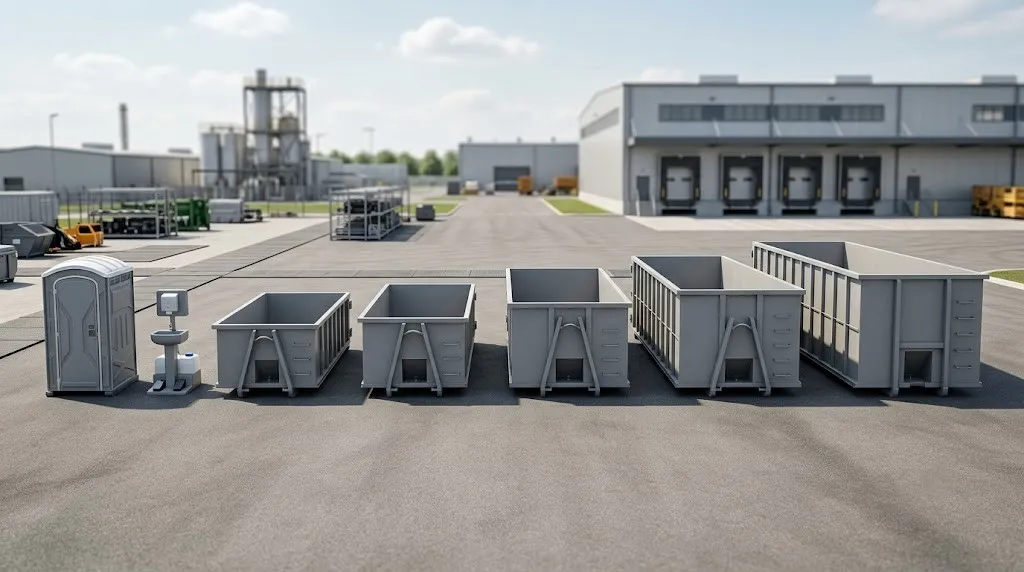
Inside a standard porta potty rental, waste drops straight into the holding tank below the seat. A blue chemical solution in that tank breaks down solids and knocks down odor between service visits. There's no flush, no water tank, nothing to freeze or leak under normal use. The unit itself measures about 44 by 48 inches on the ground and stands roughly 92 inches tall, small enough to tuck against a fence line or job trailer without eating up much space. A vent pipe runs from the tank up through the roof, so air moves out instead of building up inside. ANSI/PSAI Z4.3, the industry standard for portable sanitation service, sets a baseline of one service visit per week for up to 10 users across a 40 hour week, though busy sites in Wilmington often need more frequent pumping. If you're picturing a construction worker running to a porta potty between tasks, that's exactly the use case these tanks are built for: fast in, fast out, no hookups required. See how many porta potties you actually need for a headcount-based estimate.
How Do Flushable Porta Potties Work?
A deluxe flushable porta potty adds a small onboard freshwater tank and a foot pump or hand-crank flush that pushes a rinse of water down after each use. It still drains into the same kind of holding tank as a standard unit, but the flush cuts down on odor and buildup between services. Some deluxe models also add a sink with its own little water reservoir, which works the same way a portable sink rental does: a hand or foot pump draws from a fresh tank, and gray water collects in a separate holding tank underneath. Nothing connects to city water or sewer. That's what makes both units mobile in the first place. Deluxe units run higher than standard units for both day and week rentals, since they carry more moving parts and need more attention on each service stop. If you're comparing options for an office site or a wedding, the deluxe flushable porta potty page breaks down when the upgrade actually pays off versus a standard unit.
What Chemicals Keep a Porta Potty from Smelling?
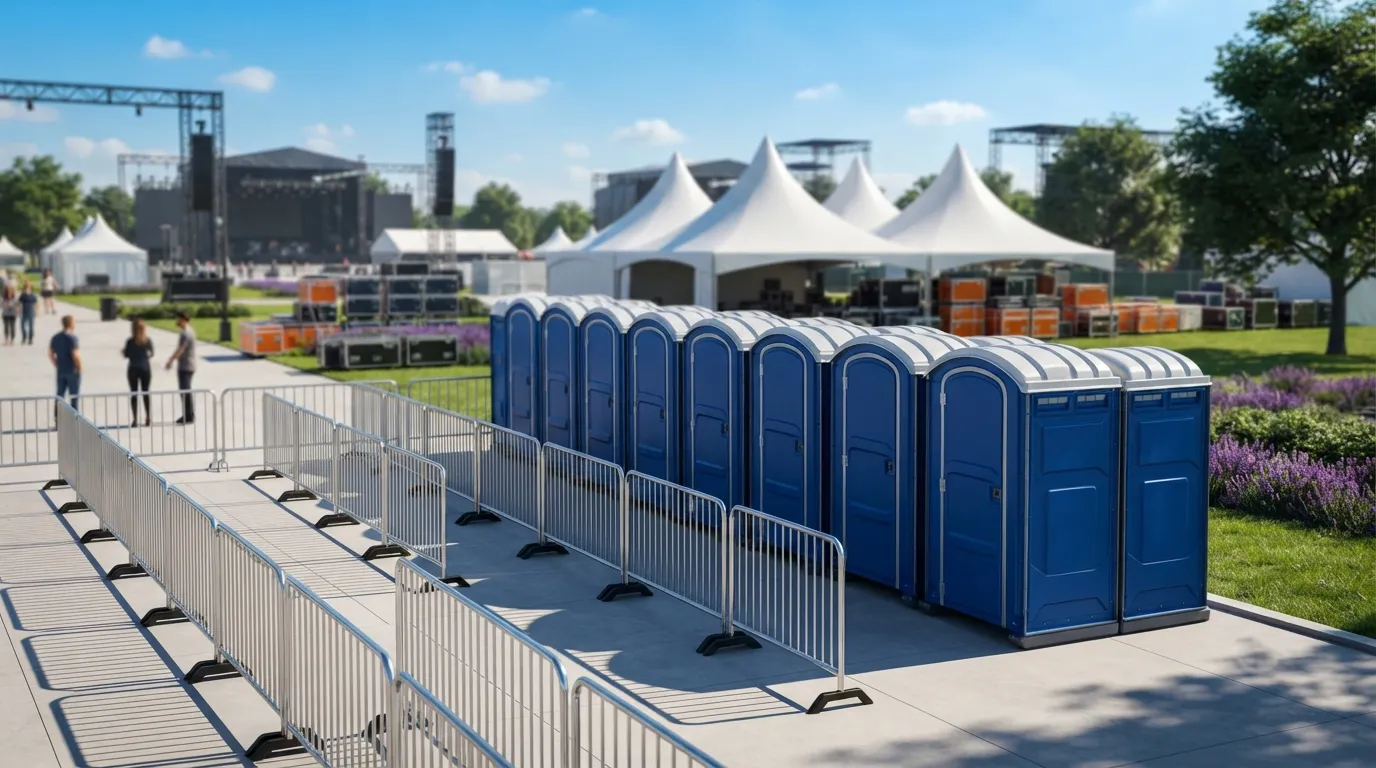
The blue liquid in the tank is a deodorizing chemical, usually a mix of surfactants, fragrance and sometimes formaldehyde-free bio enzymes, that breaks down waste and suppresses odor between pump-outs. It's added at setup and topped off at every service visit. This is different from septic tank cleaning chemicals, which some homeowners pour down a drain to try to keep a home septic system moving; a residential septic tank still needs physical pumping every 3 to 5 years regardless, driven by tank size and household size. Grease interceptors follow a different rule entirely: they're pumped once fats, oils, grease and solids reach 25 percent of the liquid depth, which is why restaurants schedule grease trap pumping on its own calendar. None of these chemical treatments replace pumping. They just manage odor and breakdown in between. For a home system showing trouble, the signs are worth knowing before it backs up; see septic tank warning signs.
How Do Camping Porta Potties Work?
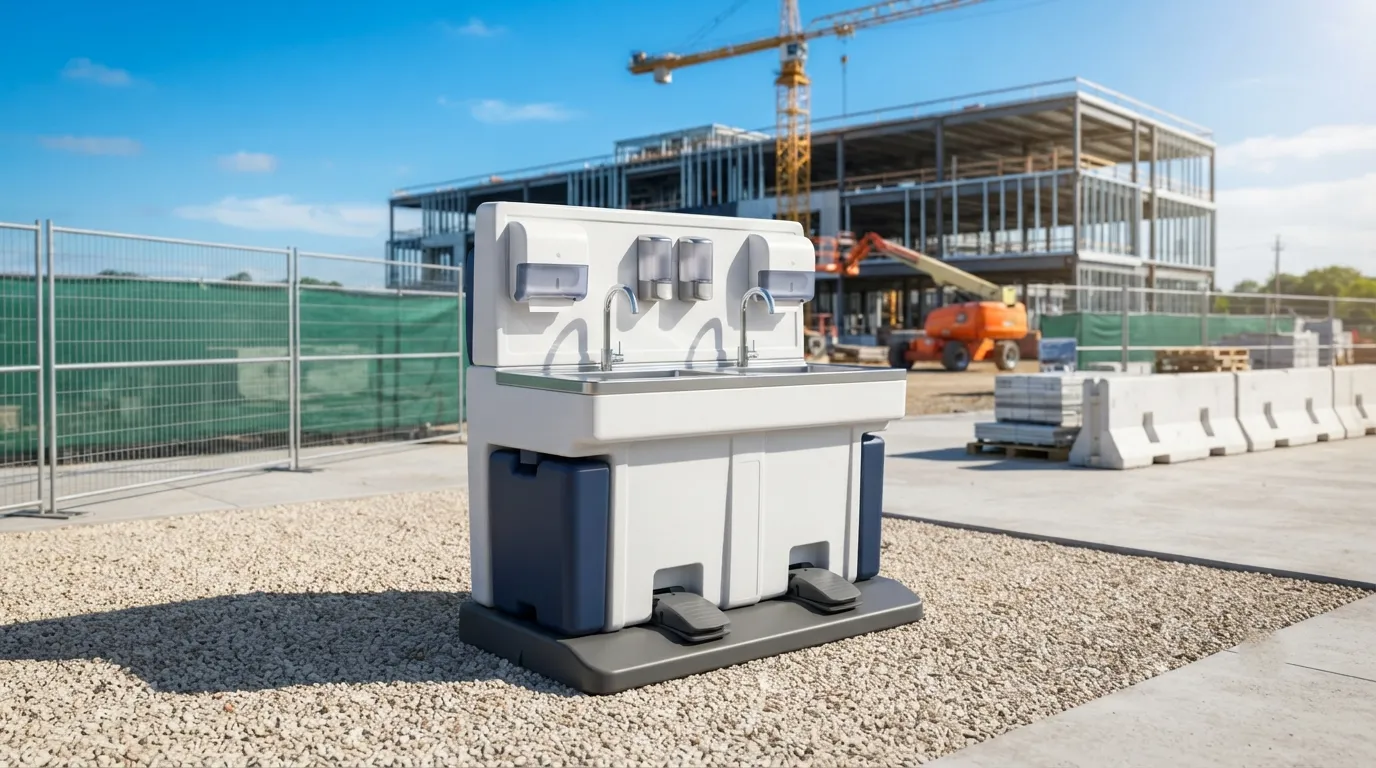
A camping porta potty works on the same holding tank principle as a construction-site unit, just built smaller and lighter for a campsite or RV pad. Some are the same standard portable toilet dropped off for a weekend; others are compact self-contained units campers own outright. For an outdoor event or campground in Wilmington, a rental unit still needs a flat, stable spot and a truck able to reach it for service, so placement matters even in a rural setting. OSHA 1926.51(c) sets toilet ratios for construction crews, one unit for 20 workers or fewer, but a camping or event setup is sized by expected headcount and hours of use instead. Cold weather changes things too. Freezing temperatures slow the chemical breakdown and can freeze standing water in flush units, which is covered in more detail on porta potties in winter. Whether it's a farm, a festival, or a weekend campsite, the mechanics underneath stay the same.
| unit | duration | typical price |
|---|---|---|
| standard | day | $150 |
| standard | week | $200 |
| standard | month | $200 |
| deluxe | day | $300 |
| deluxe | week | $250 |
| ada | day | $230 |
Full breakdowns live on the porta potty rental cost and monthly porta potty rental pages. Crews near Chester, about 14 miles northeast of Wilmington, and Newark, roughly 16.5 miles west, use the same unit types and the same service intervals.
Do porta potties need to be hooked up to water or sewer?
No. Every unit, from a portable toilet rental to an ADA accessible porta potty, runs on a sealed holding tank and a chemical treatment, not a water line. That's the entire point: drop it anywhere a truck can reach, no plumbing crew required.
How often does a porta potty get serviced?
ANSI/PSAI Z4.3 sets a baseline of one visit per week for up to 10 users over a 40 hour week. High-traffic sites and events often need two or three visits weekly. See how often porta potties are cleaned for specifics by use case.
Can I use a porta potty in freezing weather?
Yes, but flush units and handwashing stations need extra care since standing water can freeze. Standard chemical-tank units hold up better in cold. Full guidance is on porta potty in winter.
Do porta potties smell if serviced regularly?
Not much. The deodorizing chemical and vent stack handle most odor between visits, and regular pump-outs keep tanks from filling past capacity. See do porta potties smell for what drives smell complaints.
Is a permit required to place a porta potty in Wilmington?
Placement in the public right of way needs confirming with the city; check porta potty permit requirements before locking in a spot, especially near a sidewalk or street.
Next step
Get a delivery date
Tell us the address, the dates and the headcount. We size the order and confirm the route.