
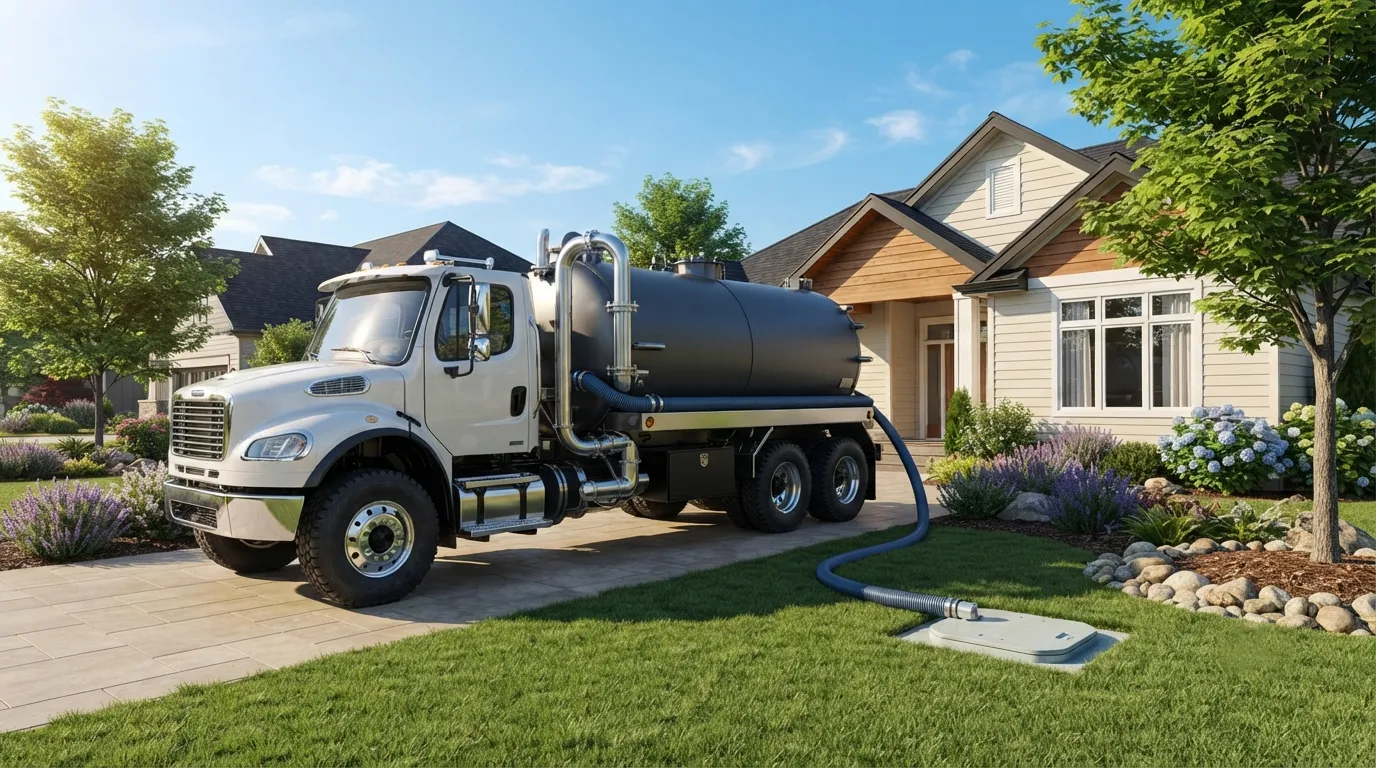
How Often Does a Septic Tank Need Pumping?
Every 3 to 5 years is the baseline, and what moves that number is tank size against household size. A bigger family or a smaller tank pushes you toward the 3 year end. A couple in a house built with a generously sized tank might stretch closer to 5. Wilmington Porta Pros checks solids depth on every call instead of guessing off a calendar, because two houses on the same street can be on completely different schedules. If you're not sure where your system falls, our page on how often to pump a septic tank walks through the math in more detail. Homes closer to Chester, about 7.8 miles northeast of Wilmington, and out toward Upper Darby, 11.8 miles west, tend to run on well and septic rather than city sewer, so this schedule matters more out there than it does downtown. Waiting too long doesn't just risk backup, it can mean solids reaching the drain field, and that's a repair bill instead of a pumping bill.
What Are the Warning Signs a Septic Tank Is Full?
Slow drains, gurgling pipes, standing water over the drain field, and a sewage smell near the tank lid are the four signs we hear about most. Any one of those on its own might be nothing. Two or more together usually means the tank is at or near capacity and it's time to call. Our septic tank warning signs page covers each of these in depth if you want to check before committing to a service call. Don't wait for a backup into the house. That's the expensive version of the same problem, and it usually happens on a weekend. If you're already seeing wet spots or smell trouble, look at our emergency septic service options rather than sitting on it another week.
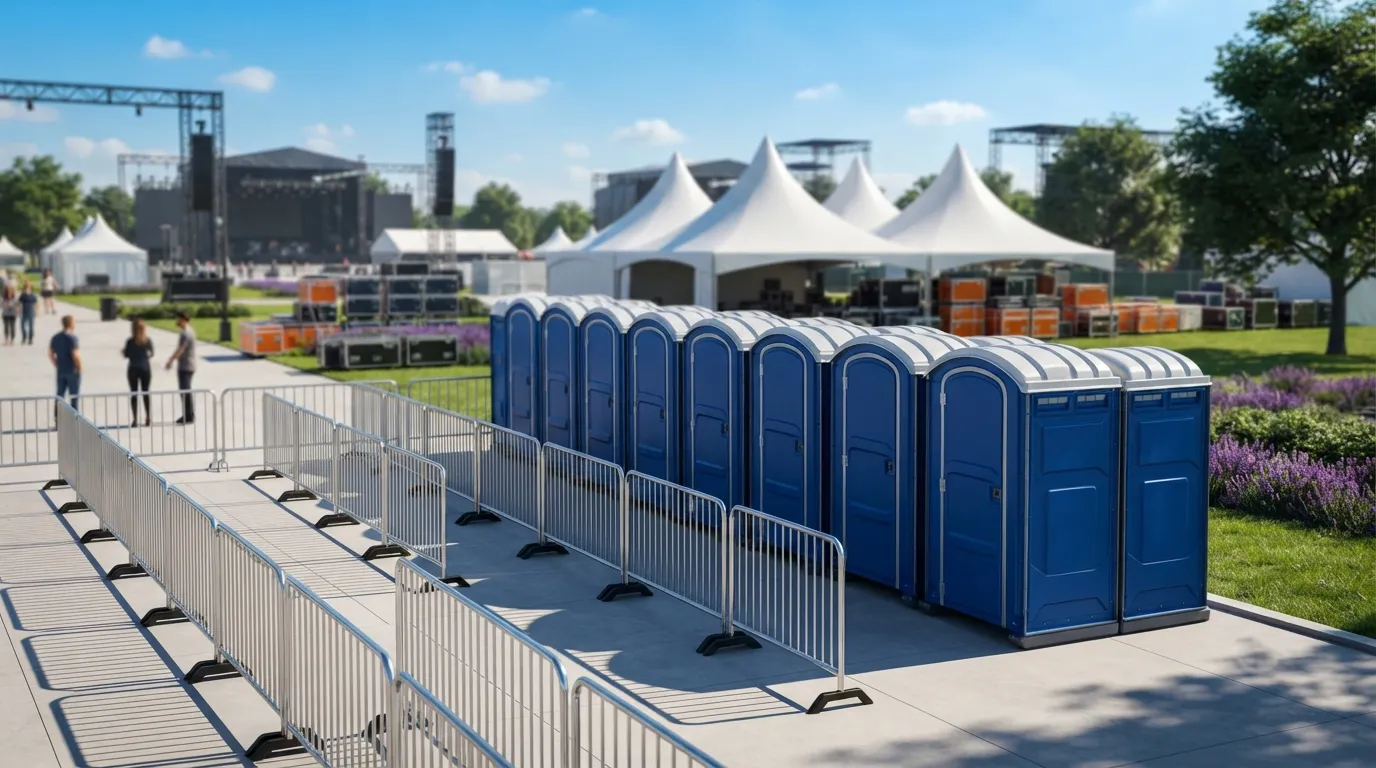
What's Included in a Septic Pumping Service?
A standard visit includes locating and uncovering the tank lid, pumping the tank, checking solids and scum layer depth, and a basic visual inspection of baffles and the outlet. We haul the waste off site to a treatment facility. We're not doing repairs on this visit, but if we spot something wrong with a baffle or an inlet pipe, we'll tell you before we leave, not after the next backup. Related but separate work: septic tank cleaning goes further than a standard pump-out if the tank has heavy buildup, and if your kitchen runs a grease interceptor, that's a different maintenance schedule entirely, pumped once fats, oils, grease and solids hit 25 percent of the liquid depth, well before a typical septic pumping is due. If your business runs a commercial kitchen anywhere in Wilmington, pair your septic schedule with a look at grease trap pumping so neither system gets neglected.
How Much Does Septic Tank Pumping Cost?
| Service | Duration | Typical Range |
|---|---|---|
| Septic pumping | day rate | $150 to $300 |
| Septic pumping | weekend rate | $50 to $150 |
A standard day rate septic pumping call in Wilmington typically runs $150 to $300, and that's the number most homeowners with a 1,000 gallon tank should expect for a routine visit. Weekend calls carry a different rate structure, generally in the $50 to $150 range depending on scope, though true emergency response outside normal hours costs more than a scheduled visit, full stop. Tank size, access to the lid, and how much digging is involved all move the price within that band. A tank buried under a deck or with no riser installed takes longer, and that shows up on the invoice. For a full cost breakdown across scenarios, see our septic tank pumping cost page. If you're weighing septic against other sanitation options for an active construction project instead of a home, our construction site services page and porta potty rental cost page cover that side of the budget.
Do You Offer Holding Tank Service for Homes Without Septic?
Yes. A holding tank is a straightforward option for a property with no functioning septic system, a renovation that's taken the bathroom offline, or a temporary setup on land that hasn't been permitted for a permanent system yet. We deliver, service on a schedule, and pump on request. This is different from a septic tank: a holding tank has no drain field and no treatment process, it just holds waste until it's pumped out, so service frequency depends entirely on tank size and how many people are using it. Our holding tank rental page has more on how sizing and pickup frequency work together. This option comes up a lot during home renovation projects where the bathroom is torn out for weeks, and it pairs naturally with a portable toilet rental or standard porta potty rental sitting on the same job site.
Is Emergency Septic Service Available in Wilmington?
Yes, and a backed-up system doesn't wait for business hours to happen. We run emergency response for Wilmington and the surrounding drive-time towns: Chester at 7.8 miles northeast, Newark at 9.0 miles northeast, Ridley at 10.5 miles southwest, Upper Darby at 11.8 miles west, and Haverford out at 27.9 miles east. Emergency calls run on the weekend rate structure noted above, and dispatch time depends on how far out you are and what's already on the truck schedule that day. If you're weighing whether your situation is a true emergency or something that can wait for a scheduled slot, our emergency septic service page has the criteria we use to triage calls. For sites already dealing with a sanitation gap from flooding or storm damage rather than a routine tank issue, see disaster relief sanitation as well.
Septic work overlaps with a lot of what else we run in Wilmington. If your project needs sanitation on site while septic work happens, check portable restroom rental or the porta john rental page for short-term coverage, and see porta potty rental per day if you only need coverage for the one day the septic crew is on site. Larger events on properties without adequate restroom capacity often add a restroom trailer rental, and our 2 stall restroom trailer and 4 stall restroom trailer pages cover sizing for smaller gatherings. For job sites running a full build, our construction dumpster rental and roll-off dumpster rental pages, along with temporary fence rental for perimeter control, round out what a site typically needs alongside septic access. Homeowners doing agricultural work can also check farm and agricultural restrooms for field crew sanitation that runs on a separate schedule from the house septic system.
Whatever brought you to this page, you can see the full lineup of what we run at Wilmington Porta Pros or jump straight to request a quote if you already know what you need. Questions about scheduling, service area, or anything not covered here belong on our FAQ or contact page.
How much does a 1,000 gallon septic tank pumping cost?
A day rate visit for a standard tank in Wilmington typically runs $150 to $300, depending on access and buildup. Weekend and emergency calls run higher. Tank size, digging required, and lid accessibility are the main cost drivers on any given visit.
How do I know if my septic tank needs pumping now?
Slow drains, gurgling pipes, standing water over the drain field, or a sewage odor near the tank are the signals to watch. Any single sign might be minor. Two together usually mean it's time to schedule a pump-out before it becomes a backup.
What's the difference between septic pumping and septic tank cleaning?
Pumping removes liquid and solids from the tank on a routine schedule. Cleaning goes further, addressing heavy buildup or scum layers a standard pump-out doesn't fully clear. Most homes need pumping every 3 to 5 years; cleaning is less frequent and more situational.
Can Wilmington Porta Pros handle emergency septic backups?
Yes. We run emergency response across Wilmington and out to towns like Chester and Ridley. Emergency calls use weekend-rate pricing rather than standard day rates, and dispatch depends on distance and truck availability that day.
Do you offer holding tanks instead of septic pumping?
Yes, for properties without a working septic system or during renovations that take a bathroom offline. A holding tank has no drain field, it just stores waste until pumped, so service frequency depends on tank size and household use.
How often should a residential septic tank be pumped?
Every 3 to 5 years is standard for most homes, driven by tank size and household size together. Larger households or smaller tanks lean toward 3 years; smaller households with bigger tanks can stretch closer to 5.
Next step
Get a delivery date
Tell us the address, the dates and the headcount. We size the order and confirm the route.