When Does a Grease Trap Need Pumping?
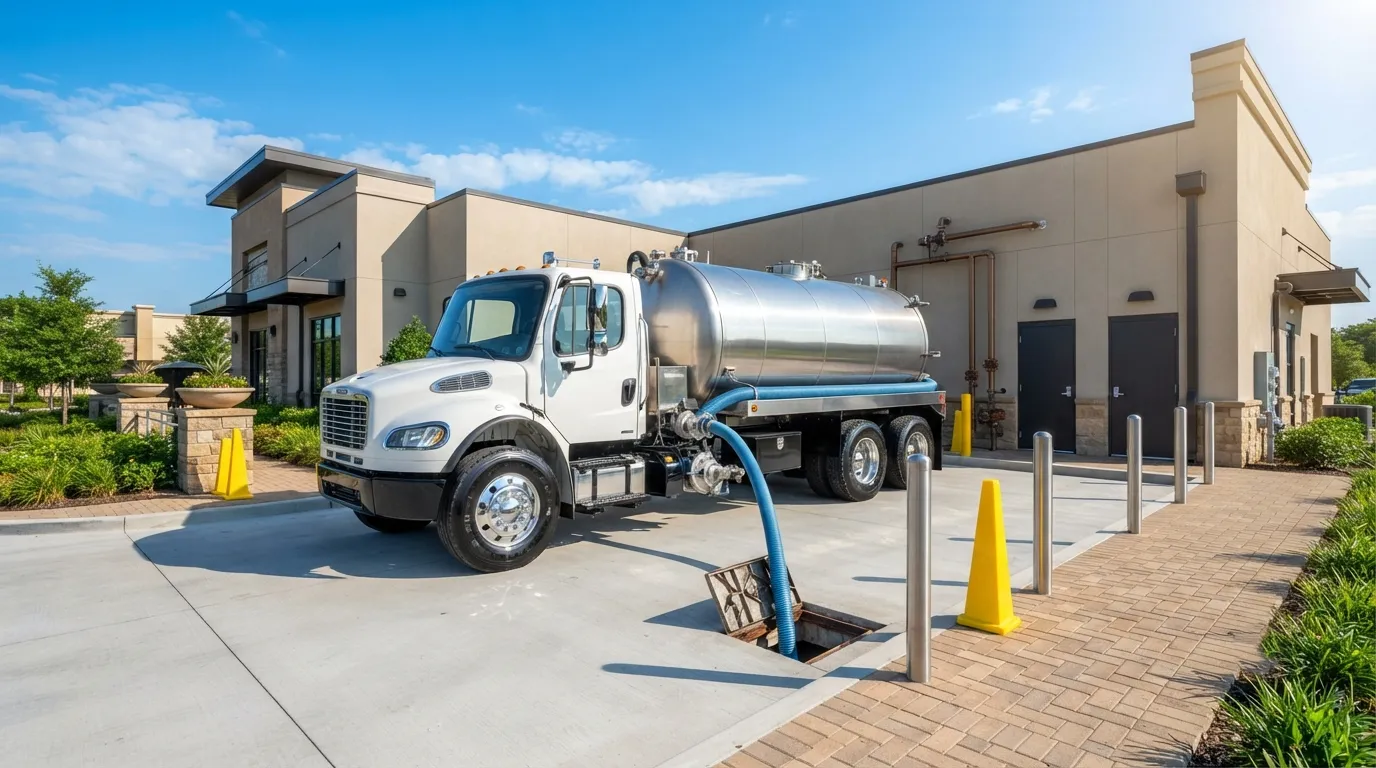
The honest answer: when the FOG layer hits 25 percent of the liquid depth in the tank. That's the industry benchmark, not a guess, and it's why a busy fryer station fills faster than a slow deli counter. Waiting past that point means slower drains, backups, and a call to us that could've been a scheduled visit instead, similar to how a porta potty rental checklist keeps a jobsite from hitting the same kind of last-minute scramble. Wilmington Porta Pros checks depth on every stop so you know where you stand before the trap forces the issue. Kitchens near downtown Wilmington often run tighter schedules because of ticket volume, while a smaller cafe might stretch to quarterly, the same way a porta potty rental schedule flexes with foot traffic on a jobsite. If your grease trap pumping service has been "whenever we remember," that's the gap causing your slow sink. Pair pumping with a look at your septic pumping service schedule if you're on a private system, since grease and septic issues often show up together. We also handle holding tank rental for kitchens mid-renovation or waiting on plumbing repairs.
What Does Grease Trap Pumping Cost in Wilmington?
Cost depends on trap size, how neglected it is, and whether it's a scheduled visit or a same-day emergency call, much like porta potty rental cost shifts with duration and unit type. Septic and grease service pricing in this market runs in a comparable band to general pumping work, so use this as a starting reference and get a firm number for your trap size.
| service | timing | low | high |
|---|---|---|---|
| septic/grease pumping | scheduled day | $150 | $300 |
| septic/grease pumping | weekend | $50 | $150 |
A hardened, neglected trap costs more to clear than one on a normal rotation, mostly in added labor time, the way skipping porta potty rental per day pricing for a longer commitment often costs more in the end. If you're comparing this against septic tank pumping cost for a home system, note commercial grease traps are a separate service with different frequency needs. Ask about emergency septic service if your line backs up outside business hours; we run emergency grease trap pumping calls the same way.
Why Choose Commercial Grease Trap Pumping Over DIY?
Because a clogged line shuts your kitchen down, and DIY skimming doesn't reach the solids settled at the bottom. Commercial grease trap pumping pulls the full load, not just the surface layer, and documents the visit for your health inspector, the same kind of paper trail we keep for standard porta potty rental service logs on a jobsite. That paperwork matters more than most owners expect until an inspection catches them without it, and it is worth as much attention as dumpster permit requirements on a renovation site. Wilmington restaurants, food trucks, and catering kitchens all fall under similar sanitation expectations, and OSHA 1926.51(a)(1) requires an adequate supply of potable water at any workplace, which your kitchen depends on staying functional. If your crew handles food prep off-site or at events, check our festival restroom rental and concert restroom rental pages for the sanitation side of things. For general employee facilities during a renovation or buildout, OSHA 1926.51(c) sets toilet ratios you'll want on your radar, our OSHA portable toilet requirements guide breaks that down further, and our how many porta potties do I need guide helps you size the count. Handwashing after certain contaminant exposure falls under OSHA 1926.51(f)(1), which is worth knowing if your crew handles degreasers or coatings during cleanout work; pair that with a handwashing station rental if your setup needs one.
Grease trap work often overlaps with broader site needs, including a storage container rental for equipment or a mobile office trailer rental for the crew running the buildout. If you're managing a full kitchen remodel, look at construction site services, roll-off dumpster rental for demo debris, or temporary fence rental if the lot needs securing during work. Newark sits about 16.5 miles west of Wilmington and Chester is roughly 14 miles northeast, so if your kitchen sits closer to either, our porta potty rental in Newark and porta potty rental in Chester pages cover those areas, and our service areas page covers coverage details.
How often should a restaurant schedule grease trap pumping?
Most Wilmington kitchens run every 1 to 3 months, driven by fryer volume and trap size, not a fixed rule. High-volume kitchens near event venues often need monthly service. Track your FOG depth rather than guessing, and adjust the interval once you see your actual buildup rate.
What happens if I skip a scheduled pumping?
Grease backs up into your drain lines, slows service, and can trigger a health code violation on inspection. Emergency grease trap pumping costs more than a scheduled visit and usually means lost kitchen hours. It's cheaper to stay ahead of it.
Can Wilmington Porta Pros handle emergency grease trap pumping?
Yes. We run emergency calls separately from scheduled routes so a backed-up line doesn't wait behind a full week's schedule. Same-day service depends on truck availability, but emergency requests get priority routing across Wilmington.
Is grease trap pumping different from septic pumping?
Yes. A grease trap handles FOG from kitchen wastewater, while a septic tank handles household or building sewage. Both need regular pumping, but on different schedules; see how often to pump a septic tank for the residential side.
Do I need a permit for grease trap service?
Permit rules vary and this needs confirming with the City of Wilmington directly. We don't guess on code numbers; check with the city or ask us and we'll point you toward the right contact.
Next step
Get a delivery date
Tell us the address, the dates and the headcount. We size the order and confirm the route.